



Gender inequality is the overwhelming injustice of this age and the biggest human rights challenge the world faces, UN Secretary-General Antonio Guterres said.
UNITED NATIONS, March 6 (Xinhua) -- UN Secretary-General Antonio Guterres on Friday urged the world to make headway in improving women's rights toward "Generation Equality," as the UN observes International Women's Day, which falls on March 8.
At the observance themed "I am Generation Equality: Realizing Women's Rights," Guterres said gender inequality is the overwhelming injustice of this age and the biggest human rights challenge the world faces.
Recalling his own words "gender equality is a question of power," he said men have used and abused power to control women and prevent them from achieving their potential for thousands of years, and deep-rooted patriarchy and misogyny have created a yawning gender power gap in economies, political systems, corporations, societies and culture.
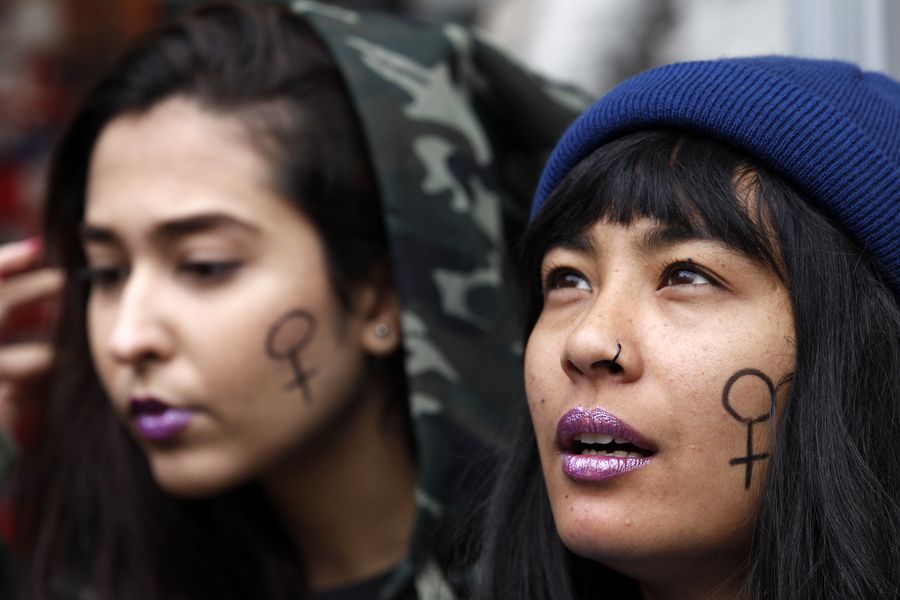
People take part in a march mainly focusing on violence against women on the eve of the International Day for the Elimination of Violence against Women in Athens, Greece, on Nov. 24, 2018. (Xinhua/Marios Lolos)
Giving examples, he said in recent months, high-profile peace agreements have been signed without any women at the table, and emergency healthcare meetings on the coronavirus were convened with few or no women, despite that women make up the majority of the healthcare workforce.
On a positive note, the secretary-general pointed to changes in recent years.
He cited women's movements that are protesting femicide, demanding equal pay, and calling out powerful men for violence and abuse.
In particular, he said, young women are redefining what power looks like. "They are creating new, inclusive forms of leadership that unite people across borders and around common goals."
Addressing the young leaders in the audience, Guterres said "we need your passion and conviction as we face a whole range of global challenges, from climate change to conflict."
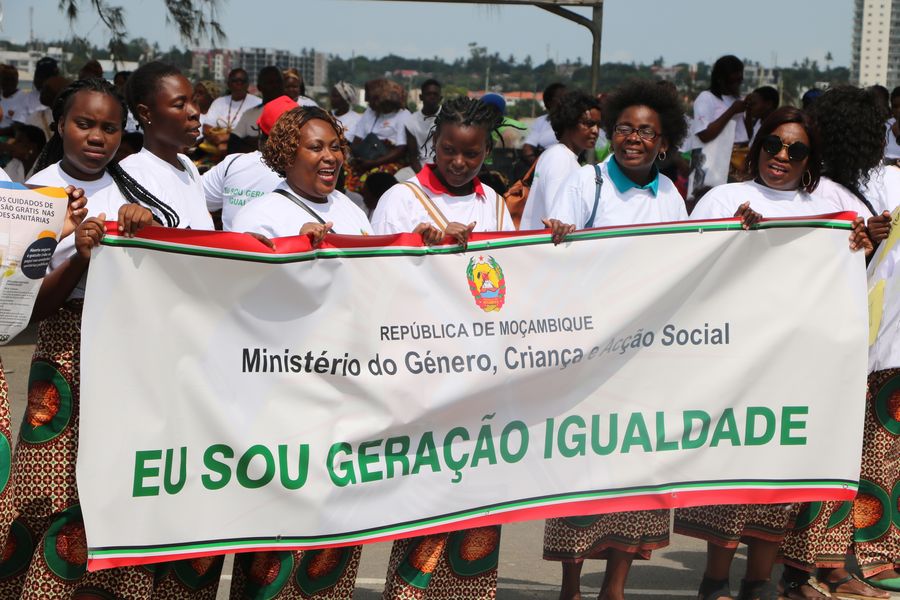
A group of women show a banner that reads "I am generation equality", which is the motto of the Women's Month, during its launching ceremony in Maputo, Mozambique, March 2, 2020. (Photo by Israel Zefanias/Xinhua)
Shedding light on the theme of the observance, he said, "Generation Equality cannot be Generation Gradual Improvement or Generation Incremental Change. Generation Equality means equal rights and opportunities for all women and girls, now."
"Without women's leadership and full participation, we will never achieve the 2030 Agenda for Sustainable Development or defeat climate change," said the UN chief, who has led the world body in achieving gender parity at senior levels.
This year marks the 25th anniversary of the Beijing Platform for Action. Yet, 25 years after the landmark document on women's rights, progress in this area "has stalled and even reversed," noted Guterres.
"Some countries have rolled back laws that protect women from violence; others are reducing civic space; still others are pursuing economic and immigration policies that indirectly discriminate against women," he said.
Women's autonomy, including full access to sexual and reproductive health and rights, is far from universal, and bias against gender equality is growing in some countries, he added.
The first gender social norm index, published this week by the UN Development Programme, found that almost 90 percent of people, including women, interviewed across 75 countries have "at least one clear bias against gender equality in areas such as politics, economics, education, intimate partner violence and women's reproductive rights."
Almost 30 percent of people in the world think today that it is acceptable for a man to beat his partner, said Guterres, citing the index.
"We must push back against the pushback. We cannot give way; we refuse to lose the ground we have won," the secretary-general said. (Video reporters: Xie E) ■
